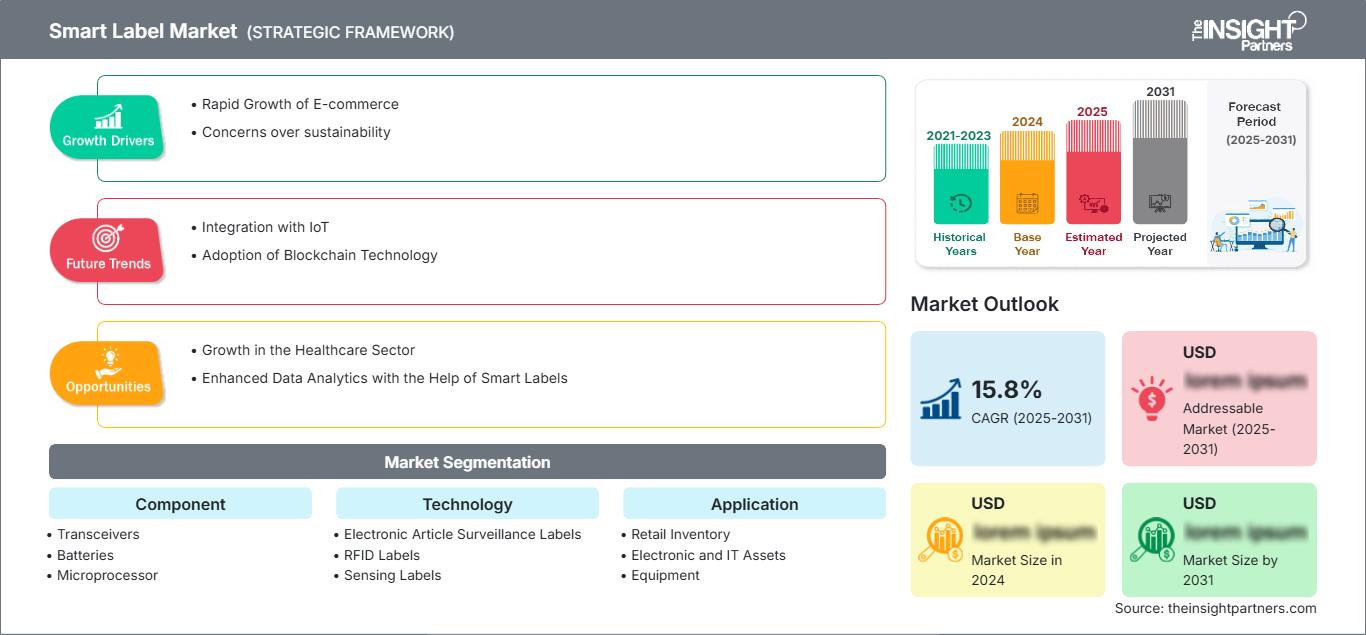
The Hexagonal Boron Nitride Powder (h-BN) Market is expanding as semiconductor fabricators, electric vehicle (EV) manufacturers, aerospace engineers, and industrial processors adopt materials that deliver superior thermal conductivity alongside high electrical insulation and lubricity. Growth is supported by escalating heat densities in advanced electronics, high-temperature manufacturing requirements, and demand for non-toxic, thermally stable ceramic fillers and coatings.
The Hexagonal Boron Nitride Powder (h-BN) market was valued at US$ 797.88 million in 2025 and is expected to reach US$ 1372.6 million by 2034; it is estimated to record a CAGR of 6.21% during 2026-2034.
What is driving the market?
Rising thermal management requirements in semiconductor packaging, artificial intelligence (AI) hardware, and electric vehicle power electronics are the principal growth drivers. Equipment and component manufacturers increasingly require fillers and interface materials that dissipate extreme heat without conducting electricity, preventing short circuits and thermal warpage. Additionally, metallurgy, glass-forming, and precision machining industries rely on h-BN powders for high-temperature mold release, dry lubrication, and protective coatings where graphite or conventional lubricants degrade.
The market is transitioning beyond standard commodity powders toward engineered, application-specific formulations. Suppliers are investing in platelet morphology control, surface functionalization, and high-purity synthesis to improve polymer compatibility and thermal transfer efficiency. High energy-intensive production costs, stringent customer qualification cycles in semiconductor supply chains, and competition from lower-cost thermal fillers such as alumina and aluminum nitride remain important constraints.
Which region leads?
Asia Pacific leads the market, accounting for an estimated 38%–44% share in 2025, and is also the fastest-growing region with a projected CAGR of 6.2%–8.1% across key hubs. Growth is supported by dense concentrations of semiconductor fabrication, PCB and LED substrate production, EV battery manufacturing, and consumer electronics assembly. China, Japan, South Korea, and Taiwan anchor regional consumption and specialty ceramic processing, while India and ASEAN nations are expanding electronics and EV supply-chain capacity.
North America accounts for approximately 24%–32% share, with demand driven by aerospace, defense-grade thermal management, and domestic semiconductor investments. Europe holds an estimated 21%–30% share, supported by automotive EV powertrain electrification, precision industrial tooling, and specialty chemical manufacturing led by Germany and the United Kingdom.
Which segment leads?
By product grade and form, Standard & Premium Pure h-BN Powders represent the core feedstock segment accounting for roughly 38% of overall h-BN volume/revenue serving as the foundational input for thermal interface fillers, liquid suspensions, sprays, and sintered shapes.
By end-use application, Electronics & Semiconductors (including Electrical Insulation & Thermal Management) leads with an estimated 38%–42% share, reflecting surging demand for thermally conductive polymer composites, gap fillers, and organic interposers. Coatings, Mold Release & Industrial Lubricants represent the second-largest application block (roughly 22%–29% combined), while EV Automotive & Aerospace Composites constitute a high-growth segment expanding above 6.0%–7.5% CAGR as lightweight, high-dielectric thermal barriers gain adoption.
Which companies are prominent?
Prominent market participants include Saint-Gobain (Ceramic Materials), Momentive Performance Materials, 3M Company, Denka Company Limited, Resonac Corporation (formerly Showa Denko), H.C. Starck Solutions, Kennametal Inc., Henze Boron Nitride Products AG, Höganäs AB, ZYP Coatings Inc., and Shandong Pengcheng Special Ceramics.
These companies compete across high-purity synthesis, particle size engineering, surface-treated composite fillers, and ready-to-use industrial coatings. Strategic differentiation increasingly depends on ultra-low metallic impurity levels, consistent platelet aspect ratios, thermal conductivity performance at lower filler loadings, and close co-development with semiconductor and Tier-1 automotive OEMs. This list reflects the competitive landscape rather than a revenue-ranked market-share table.
What is changing in 2026?
In 2026, the market is shifting from general-purpose ceramic additives toward precision-engineered thermal management solutions tailored for AI data center chips, wide-bandgap (SiC/GaN) power semiconductors, and high-voltage EV battery packs. Specifications increasingly require spherical or agglomerated h-BN structures that enable high filler loading in resins and silicones without increasing viscosity or compromising processability.
Manufacturers are also accelerating ultra-high-purity grades for advanced semiconductor packaging such as panel-level organic interposers and supplying specialized powders for personal care and cosmetics as brands seek clean-label, talc-free slip and soft-focus alternatives. Procurement decisions are increasingly tied to batch-to-batch purity certification, supply-chain localization, and custom particle surface modification rather than raw powder pricing alone.
What are the major investment opportunities?
The strongest opportunities lie in high-purity and spherical h-BN powder synthesis, surface-functionalized thermal fillers, and localized manufacturing near semiconductor and EV clusters. Investing in advanced purification, controlled sintering, and proprietary silane or polymer surface treatments enables suppliers to capture higher margins in epoxy molding compounds, thermal pads, and dielectric adhesives.
Additional opportunities include 2D hexagonal boron nitride nanosheets and films for next-generation semiconductor dielectrics, water-based eco-friendly mold release coatings for aluminum die-casting and glass forming, and cosmetic-grade ultra-fine powders. Asia Pacific offers compelling expansion potential through booming electronics fabrication and EV battery production, while North America and Europe offer strategic opportunities for domestic supply-chain resilience in defense and semiconductor-grade ceramics.
Future Outlook
Over the long term, the Hexagonal Boron Nitride Powder market is poised for sustained structural growth as miniaturization, higher power densities, and electrification push traditional thermal interface materials to their physical limits. As AI computing infrastructure, 6G communications, and solid-state battery architectures commercialize, h-BN’s unique combination of high thermal conductivity, electrical insulation, chemical inertness, and lubricity will make it indispensable. Suppliers that bridge scalable, energy-efficient synthesis with application-specific particle engineering and expand into emerging frontiers like 2D electronics and quantum photonics will define the next decade of industry leadership.
About The Insight Partners
The Insight Partners is a leading market research and consulting firm delivering actionable insights through in-depth industry analysis and strategic intelligence. The firm supports clients across various industries in making informed decisions by providing comprehensive market forecasts, competitive assessments, and growth opportunities.
Contact Us:
If you have any queries about this report or if you would like further information, please contact us:
Contact Person: Ankit Mathur
E-mail: [email protected]
Phone: +1-646-491-9876